Manga Construction
Introduction
Manga & Comics have a deep visual language.Manga/comic artist do not think about shape like classically trained artist.
Comic/Manga artist think more in terms of layers of two-dimensional shapes, anteriors & posteriors.
It's important to maintain a two-dimensional mindset when doing manga/comics, otherwise your comics will develop a mathematical unsymbolic, hard-to-copy look.
There are not as many good books for comics/manga basics as music theory basics.
There are basically zero good comic/manga books.
Here I teach them.
TABLE OF CONTENTS
* Emojis
* Symbol Heads
* Gesture skeleton
* Paste-on-mouth
* Minimalism/Simplicity * Egyptianism/Computerism
* Pixelart * Oekaki
* Egyptian limbs/feet/hands/head...
* 45*
* Flat bods(Mulle Meck, Hayao Miyazaki, Pettson and Findus)
* Box Bods(Habbo, Roblox)
* 45* 45*
* Expression Marks
* Clump hands/feet
* Fluidism(Disney)
* Solidism(Ghibli)
* Polygonism
* Box-Skull
* Concaves, Convexes
* Rounded Polygonism
* Equal Emphasis
* Anterior Emphasis
* Posterior De-emphasis
* 16x16
* 32x32
Inspo
* Disney comics(Western comics, Fluidism)
* Tintin(Manga, Egyptianism)
* Mulle Meck(Manga, Egyptianism)
* Pettson och Findus(Manga, Egyptianism)
* 90s Computer Games(Solidism, Egyptianism)
* Studio Ghibli(Solidism)
* Macross(Solidism)
* Loranga, Dartanjang & Masarin(Egyptianism)
* Original Moomin(Egyptianism)
* Yotsuba(Egyptianism)
* Pokemon(Egyptianism, Fluidism)
Emojis
First you should learn how to draw emojis, draw some everyday, if you can't figure one out just look on your smartphone. If you can't copy emojis you are screwed and I can't help you. Don't try drawing specific faces/people, that's for later.
*symbols heads, Chibi heads, "Mii-heads"*(Extremely important chapter)
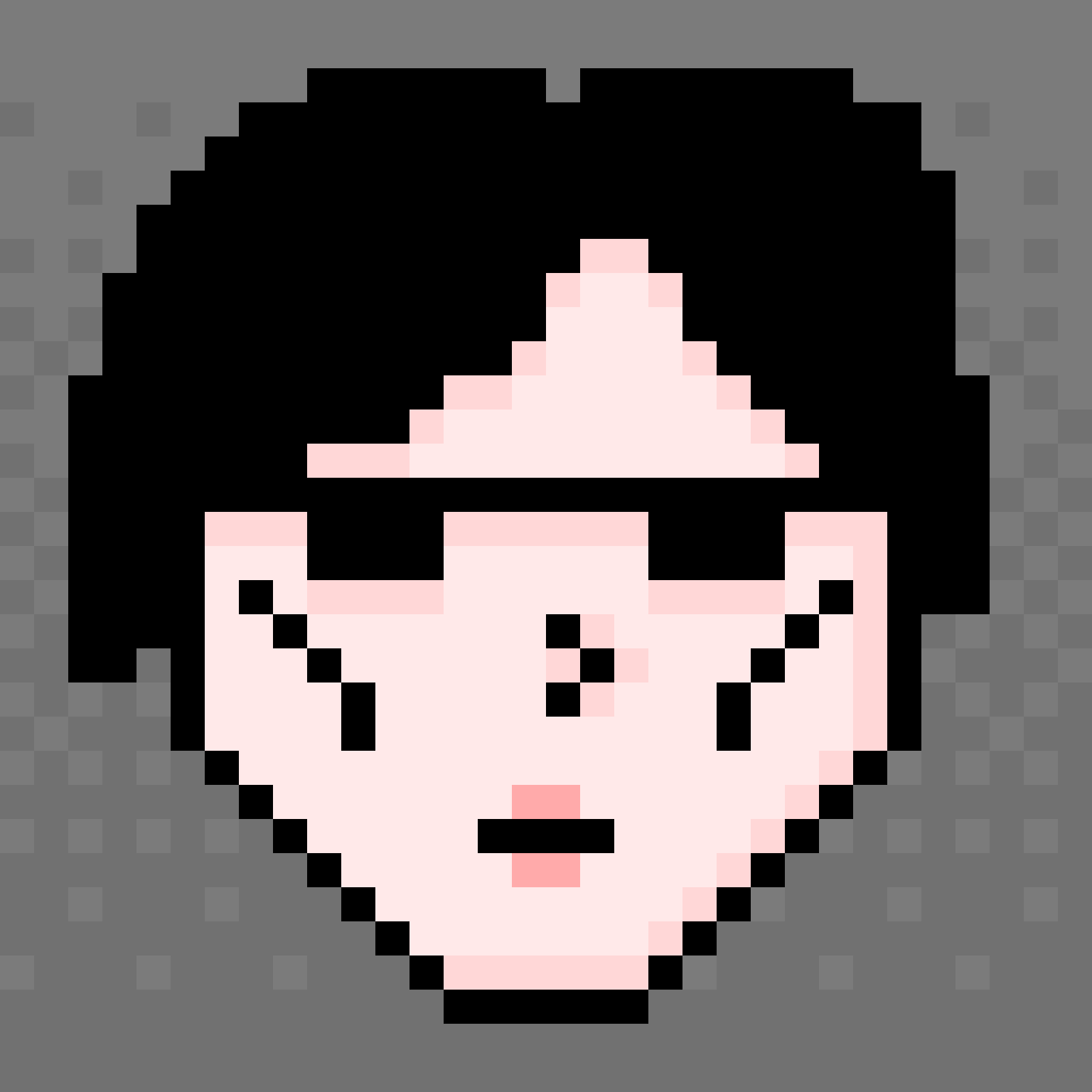
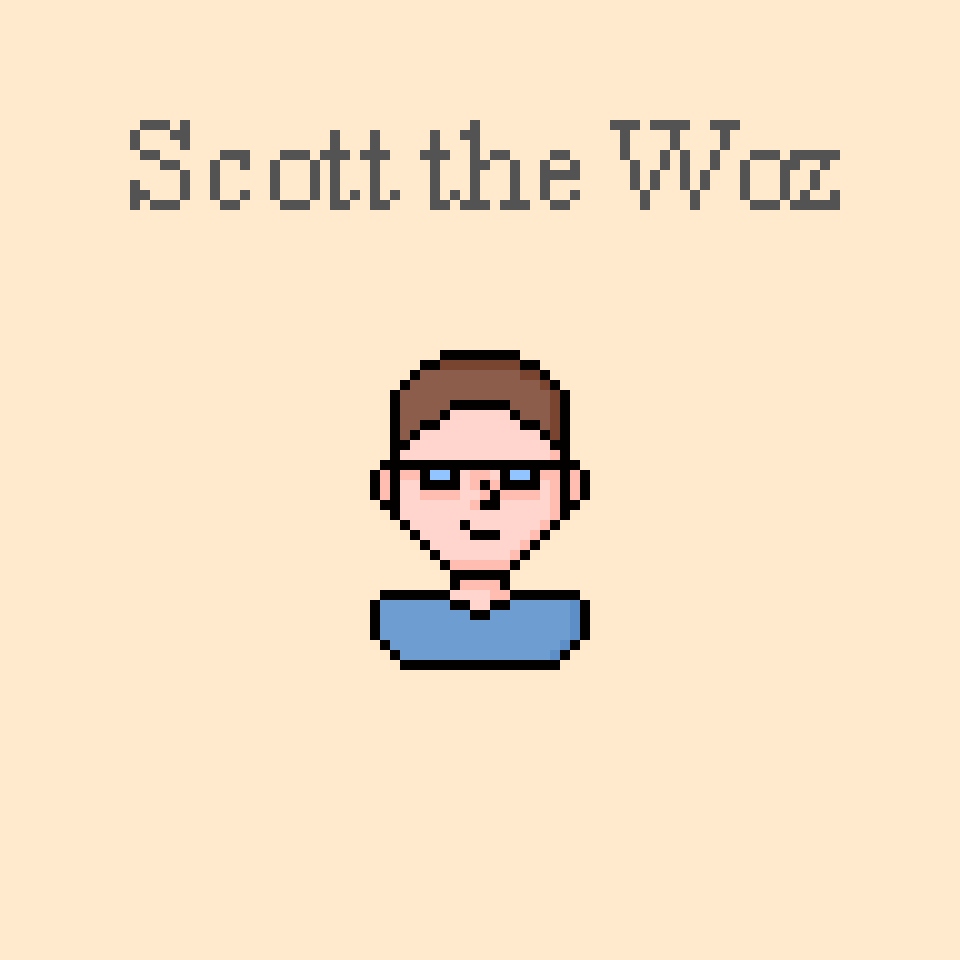
Second you should learn how to draw symbol heads from front and side(like the ones on the wii).
A symbol head is composed of a head-shape and a couple of symbols, you can also add a neck if you are fancy.
Good symbol heads are all about capturing essential details of someones face.
Write down the details of the face before making it is my advice.
I memorize peoples faces based on their deviances.
I will make a lexicon of my favorite head-shapes, symbol facial features.
This is a big step, being able to draw symbol heads is one the most important skills of a manga artist.
It takes time, I do recommend learning from Chibi makers such as the mii creator.
Im planning on making my own Chibi maker as well.
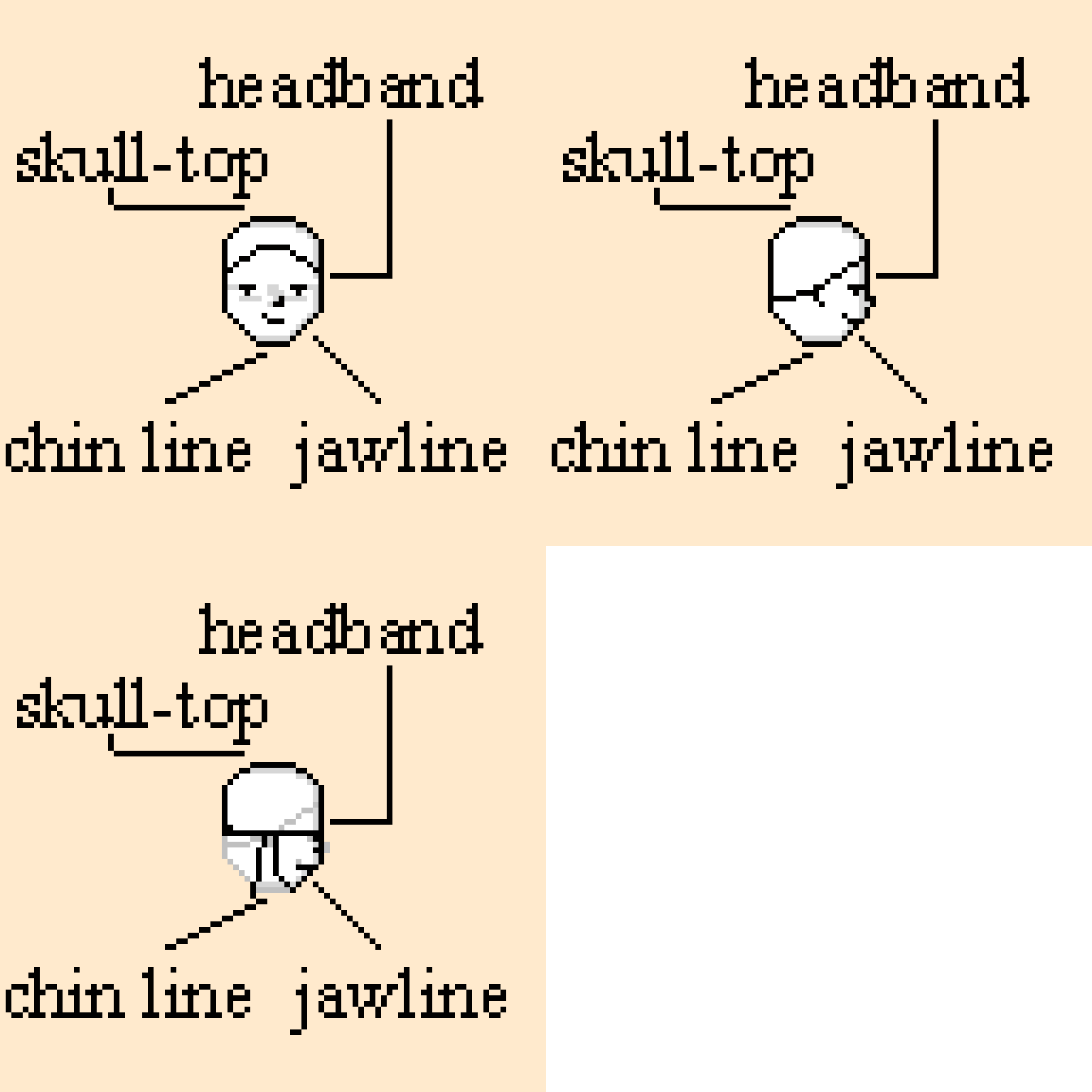
Notice the headband, most tutorials don't cover the importance of the headband, it becomes even more important later in racial drawing in realism.(Asians have a leaning headband, germanics have a horizontal headband for example)
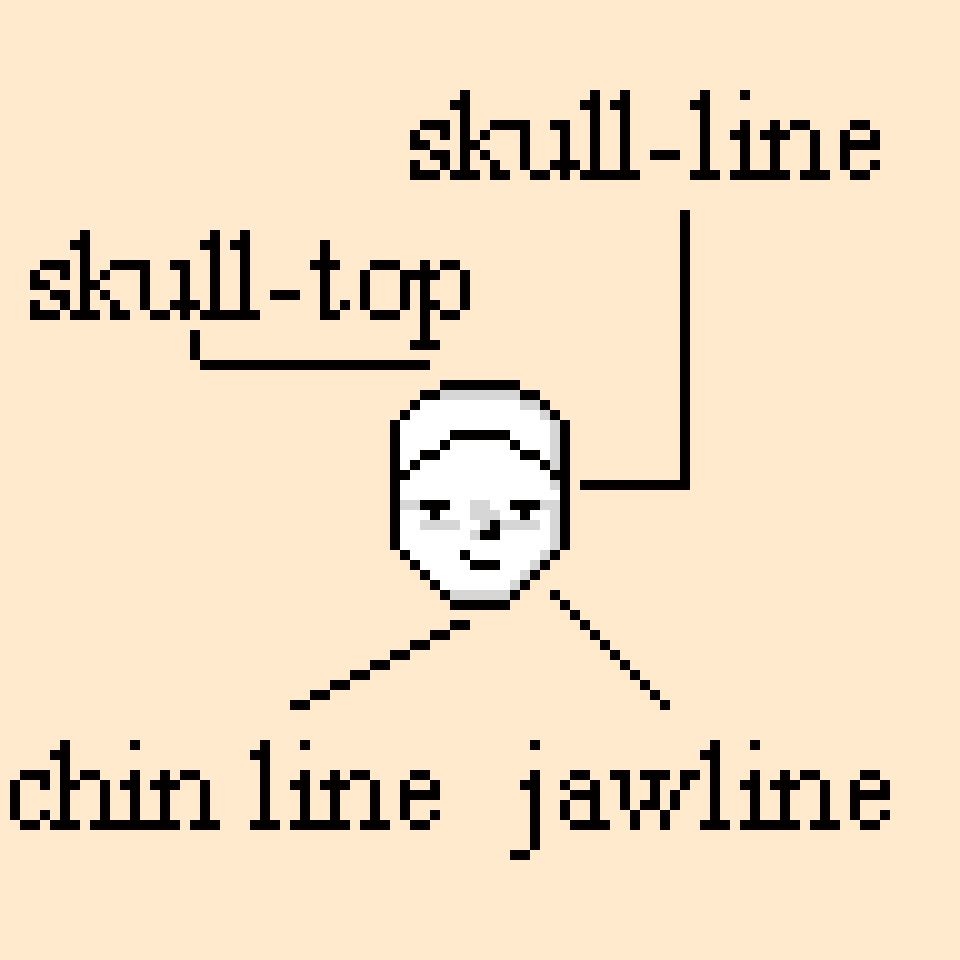
While it's not that important in chibi since the jaw never changes position and mouth is just a symbol, later you have to understand the underlying skeleton, so I also have a graphic on that.
As said the first few chapters of this guide is focused on diagrammaticism, so very lite construction, more of that in the semi-chibi chapter.
Headband is a circle that goes around the head and connects the eyes, ears, and back of skull.
When I draw a head I basically always start with the headband.
Skull-line are two lines that mark the sidecuts of the skull, not the same as the headband.
There is more or less always a dip-in at the eyes above the nose when drawing head from side.
...
Important terms:
* Headband(band around head, connects eyes, nose, neck, brain-sphere)
* Skull-sides/lines
* eye area out-carve
* Jaw-line
* neck-connection
* brain-sphere(part that contains the brain)
* "box"(attached to brain-sphere)

Gesture Skeleton
Means making a skeleton with bendy lines to give the stance more expression.
I don't do this lol.
Paste-on-mouth
mouths that are symbols rather than actual hole in the face.
Simplicism/Minimalism
For shapes to be of a simple, undetailed quality.
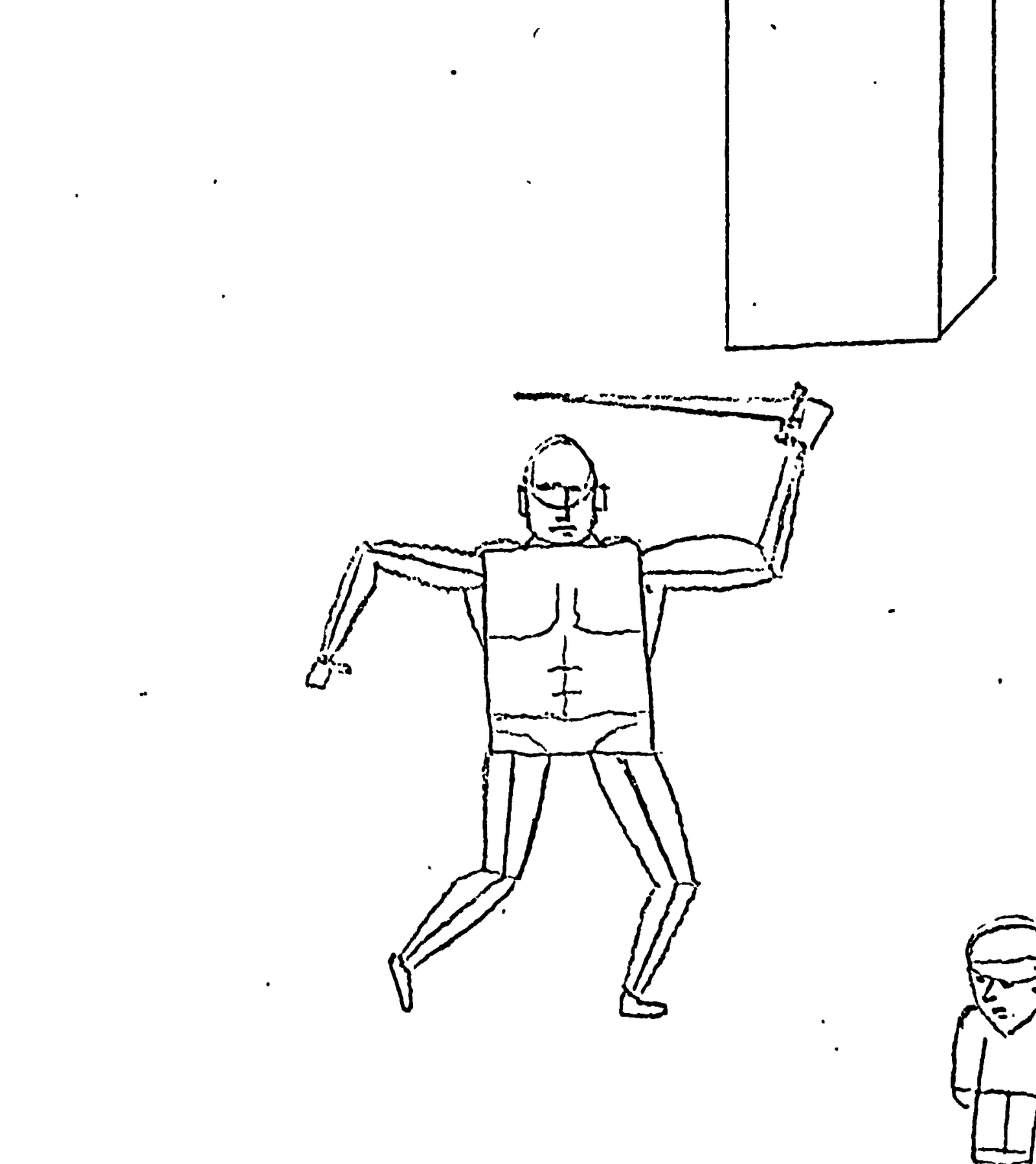
Flat Bods
Manga or Classic construction, think about the real-life size of objects!
Construction bodies with a completely flat torso, but limbs with volume.
Really common in manga, but also in classic art when the artist is lazy.
Ralph Mcqaurrie emplyed them a lot at odd angles.
I use them a lot at 45* 45*
Concaves & Convexes
Convexes = lines bulging outwards
Concaves = Lines bulging inward
Anterior Emphasis
Means object infront are to have their lines above those behind and to be full.
Equal Emphasis
Means objects are equally represented, one is not over the other.
Posterior De-emphasis
Means objects behind are to be less visible, tucked away and have their lines behind that infront.
Box Bods
Construction out of boxes.
Made famous by Roblox, Minecraft, Lego, Habbo.
Pixelart
In the 80s the artform of "pixelart" started emerging.
Art made using pixels in quite low resolution.
OEKAKI & Paint Comics
E-manga, manga made with pixels.
Popular in early 2000s
The only difference really between paint and oekaki is the program they are made in.
Oekakis are made in oekaki program.
Paint comics are made in MS paint.
oekaki programs tend to have more layers.
Egyptianism
The ancient egyptians really liked simplifying angles/projections in their art, hence doing such is called "Egyptianism"
But you can also call it "computerism" due to it's popularity in 90s/80s computer games.
Using simple angles, projections is more common in eastern art than western.
Not sure why.
Egyptianism is strong in socialist art I notice.
It speaks of order and structure, which makes it appeal to socialist.
rätvinklade, platta lemmar.
Fluidism
When shapes greatly deform, like liquid or soft jelly.
Egyptian torso
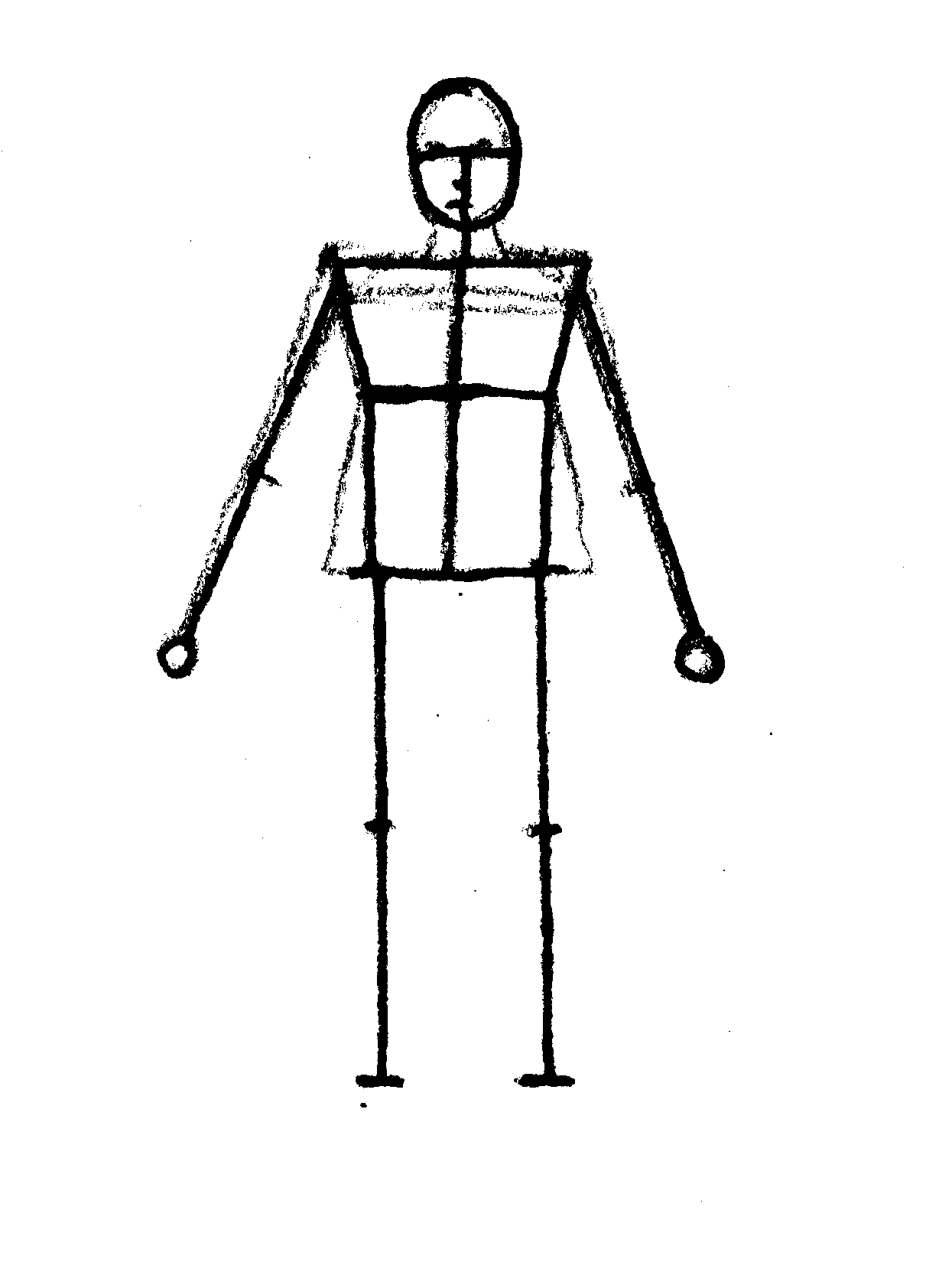
next you will need to learn how to add the egyptian torso, male and female, from front and side.
Widen the mans chest for greater gender emphasis.
Narrow the womans waist for greater gender emphasis.
Egyptian arms/legs and clump hands/feet
Next you will learn how to add the limbs, this basic figure will be used to draw all other angles later.
* bumps on very top of arms representing delts
* strong middle bump representing the bicep on the upperarm and the lesser middle bulge representing the tricep on the upperarm.
* interior towards elbow bump representing the extensor muscle on the lower arm.
* bulge around knee representing kneecap
* middle bulge on thigs representing thigh muscles.
* Upper bulge on lower legs representing calf muscle.
The first example Im making just have tube arms and legs.
The headband is the centerpiece of the head, the torso is the centerpiece of the human.
Build the head from the headband, build the human out from the torso.
When making an entire human start with the torso, not the head.
Remember the ball joints sit inside of their parent joint, not outside.
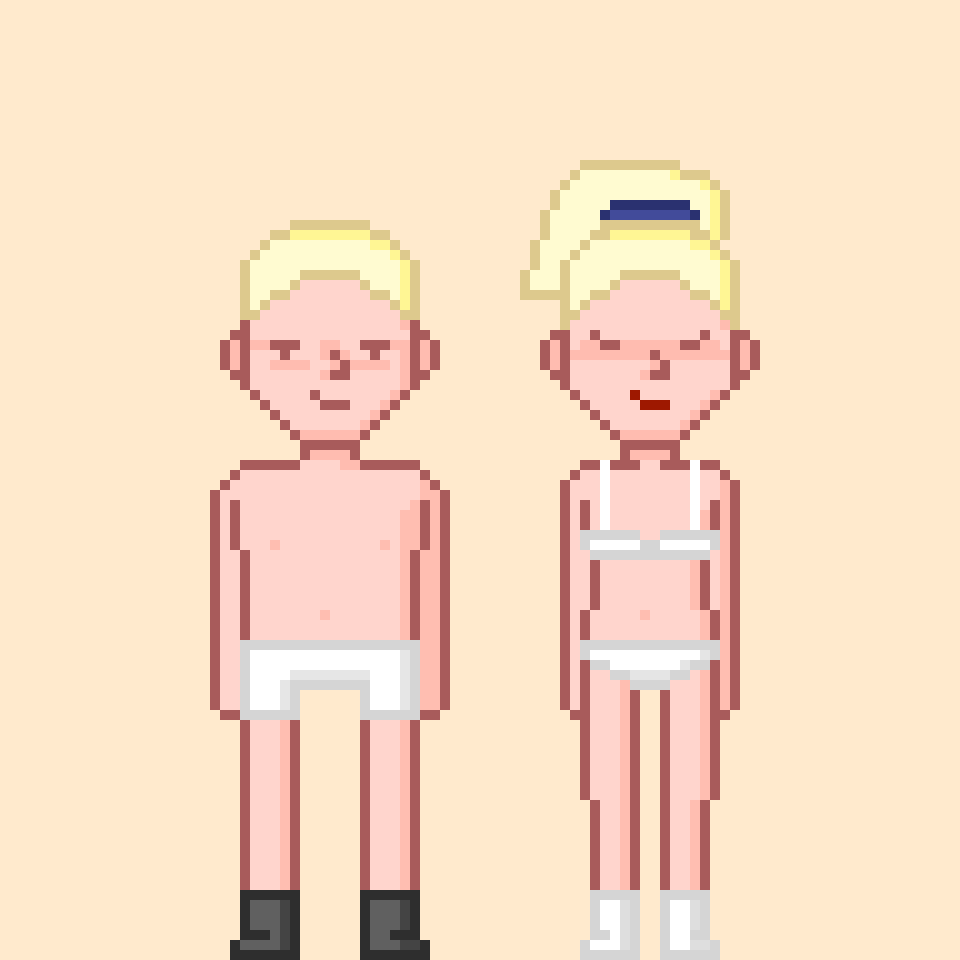
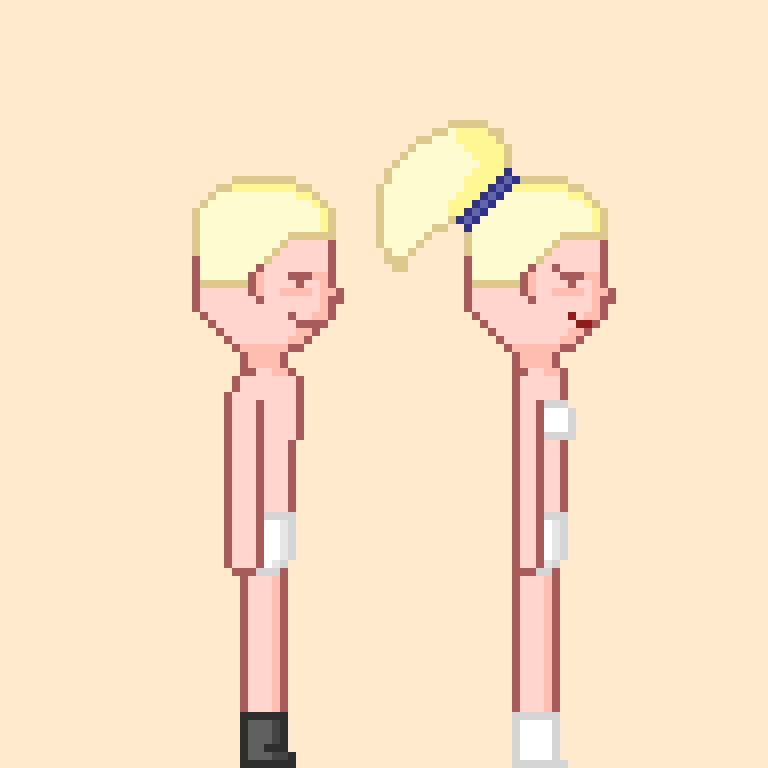
90* from side
From this angle right arm and leg are bigger and infront while left arm and leg are narrower and behind.
45* looking down
From this angle limbs are shorter, more of the hair and shoulder are seen. face is compressed. Please do it in both directions.
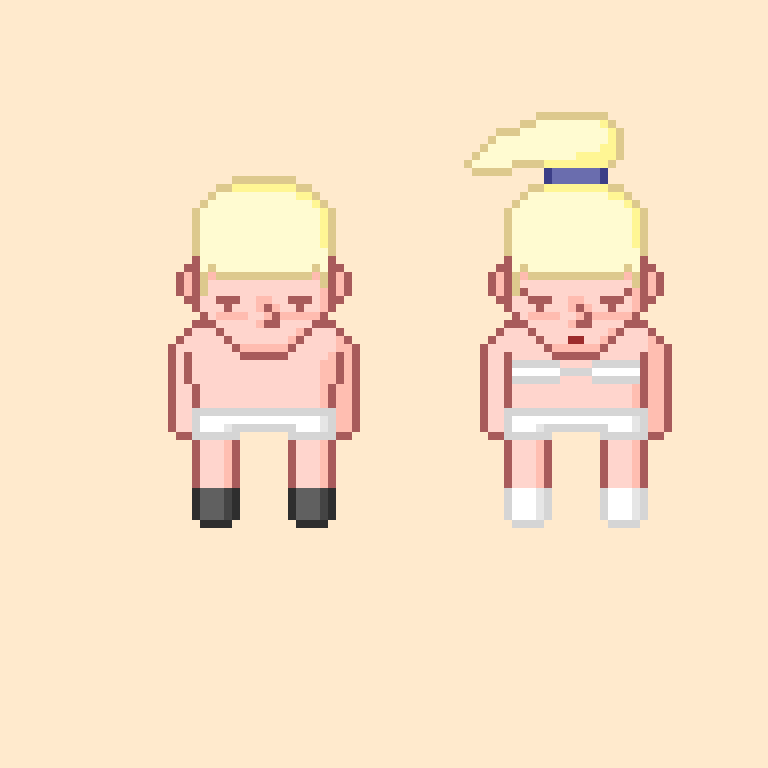
45* 45*
I focus on the vertical energy of the character, not diagonal energy, when drawing 45* 45,
otherwise they become weird.
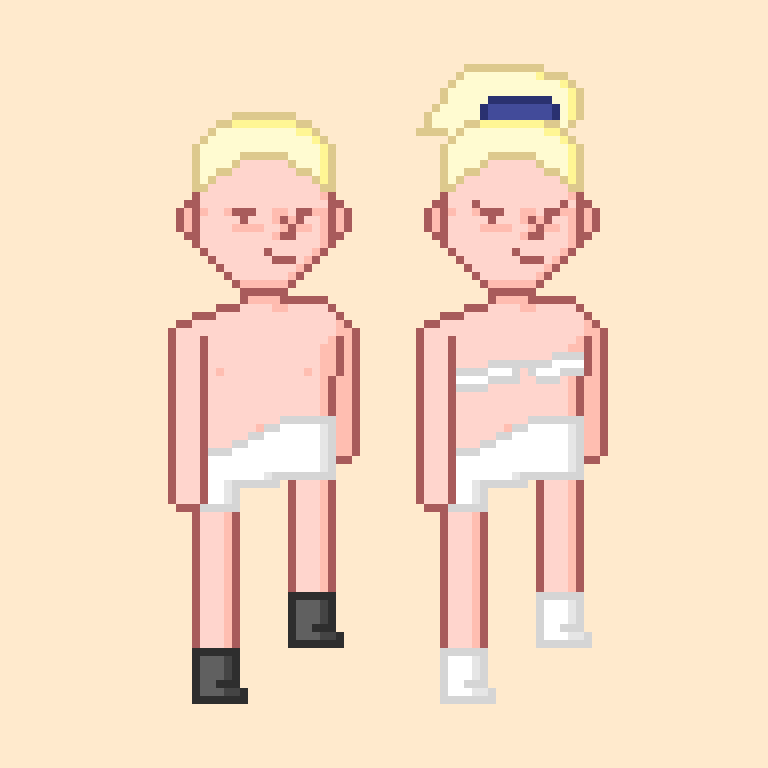
Combination of both above, limbs are shorter, more of the hair and shoulders are seen,
right arm and leg are bigger and infront while left arm and leg are narrower and behind.
Please do it in both directions.
"This looks yank as f*ck"
Indeed it does, that is diagrammatic technique for you.
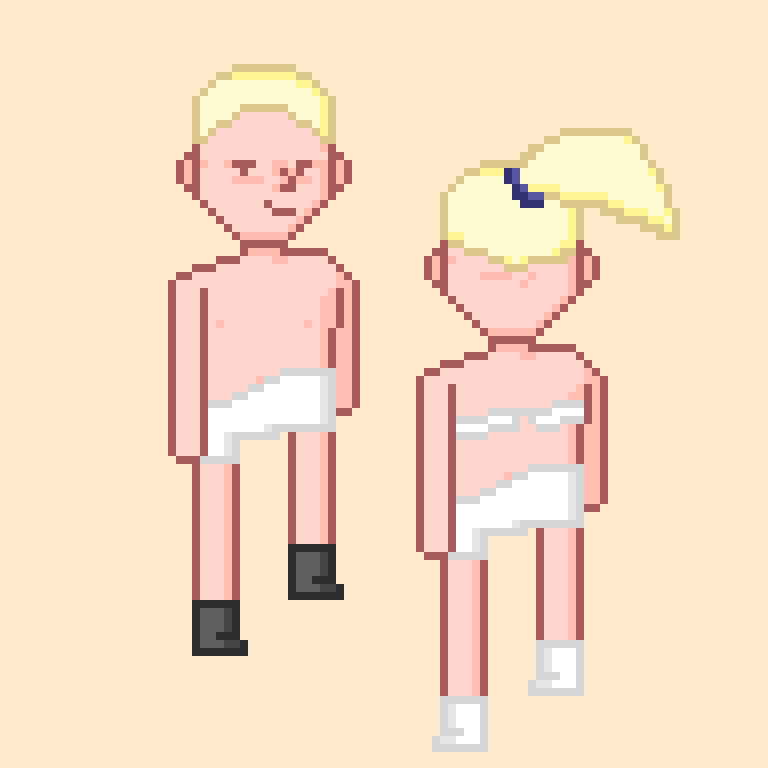
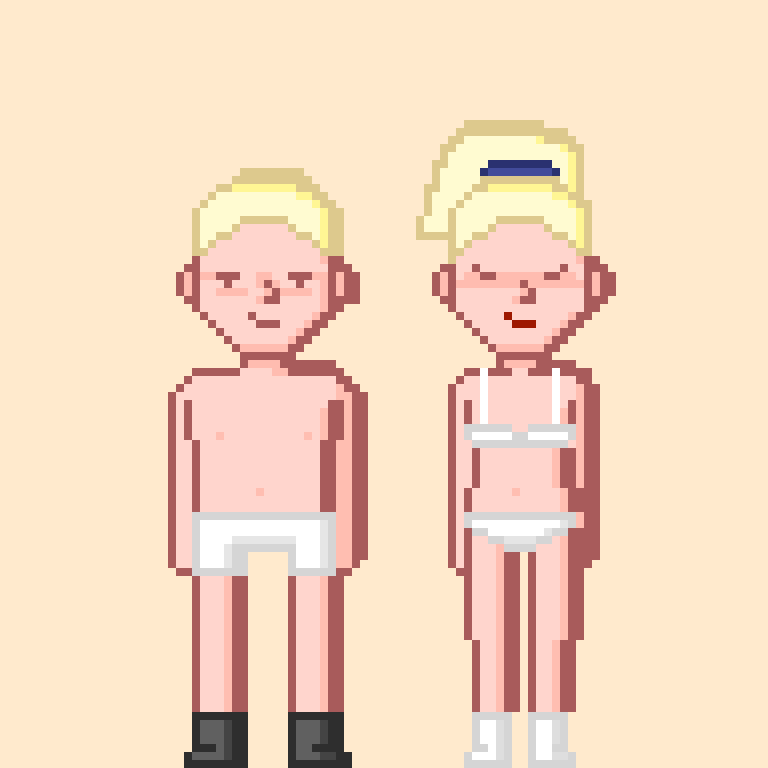
Oblique Skew
adding a bit more to the sides to give it slight perspective.
Extremely yank, as yank as it gets.
Semi-Chibi
I still haven't reached this step. This is where you start to use symbol heads with construction.
Especially symbol heads, I've needed to practice making those A LOT. As said, *very* important skill to master in manga.
Until now you have learnt how to draw people in very stiff poses from very specific angles, that's a big part of chibi, now in semi-chibi things get more realistic.
We will start drawing our characters at slightly more realistic proportions, poses and angles.
We will learn how to rotate our chibi-heads more and attach it to a more dynamic body.
Polygonism
Construction out of polygons, no round shapes.
Polygon-heavy is more common in mangas than western comics.
Western comics like things rounded.
16x16
Extremely blocky tile size, common on SNES, indie games.
32x32
Thinner, less blocky tile size, common in early 2000s RPGs.