Realistic, Classic Construction
Introduction
Here I put everything related to realistic/classic construction.
Table of Contents:
* Tools
* Scaffolding
* Tracing
Egyptianism/Diagrammaticism
* Short-skulls
* Long-skulls
* Headband
* Browband
* Rounded polygonism
* box-skull
* Anterior Emphasis
* Posterior Deemphasis
Egyptianism/Diagrammaticism
In classic construction Egyptianism/diagrammaticism, use of simple angles, projections, is still a thing.
Especially in medical books.
but it's paired with realistic anatomy.
don't confuse egyptianism with simplification.
shapes still have all the parts, just at simple angles/projections.
Tools
I tend to not sketch with common pencils, easily gets messy, I sketch lightly with good color pencils. Inspo: Pellets
I recommend:
* thicker sketch paper(to avoid tearing/water pooling)
* light color pens
* Very weak hard pencils, 4b
* Eraser
* Ruler
I always have the sketch -> coloring workflow.
The clear separation of construction/sketch and rendering/coloring is important to me.
They are two different worlds, two different artforms, two pieces.
I tend to not mind the paper being wavey in edit mode, only in display mode.
Short Skulls
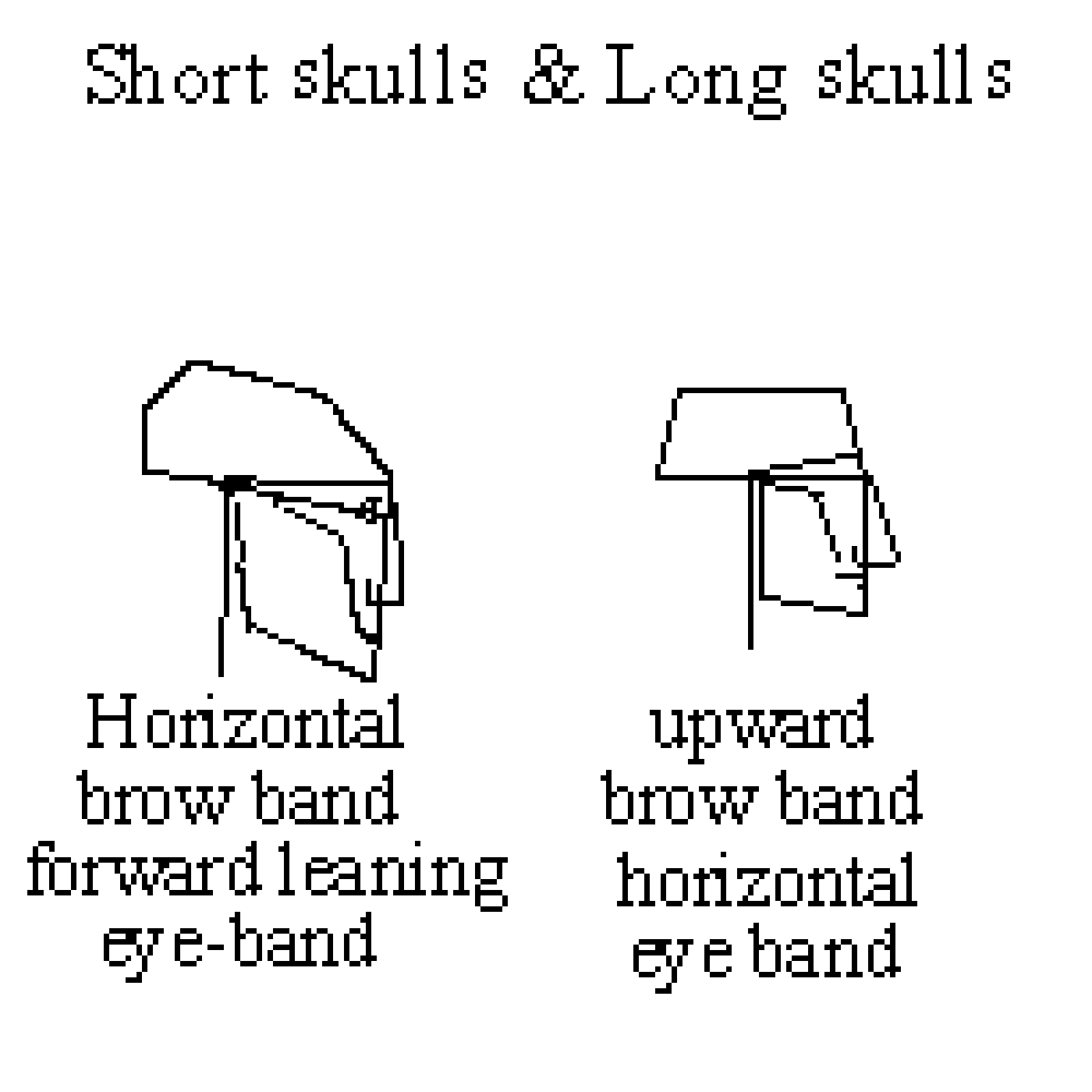
Short skulls, asians for example, have a horizontal browband, forward leaning eye-band.
Long Skulls
long skulls, for example germanics, icelandics, north germanics, have a horizontal eye-band, upward leaning brow-band.
box-butt & egg-cage
Like a flat bod but you add a shape for the rib-cage and a box for the butt
Super popular.
I prefer flat bods.
Everyone has slightly different preferences for construction.
Find the one that works best for you.
!Scaffolding!(Extremely important chapter)
In classic construction the process is:
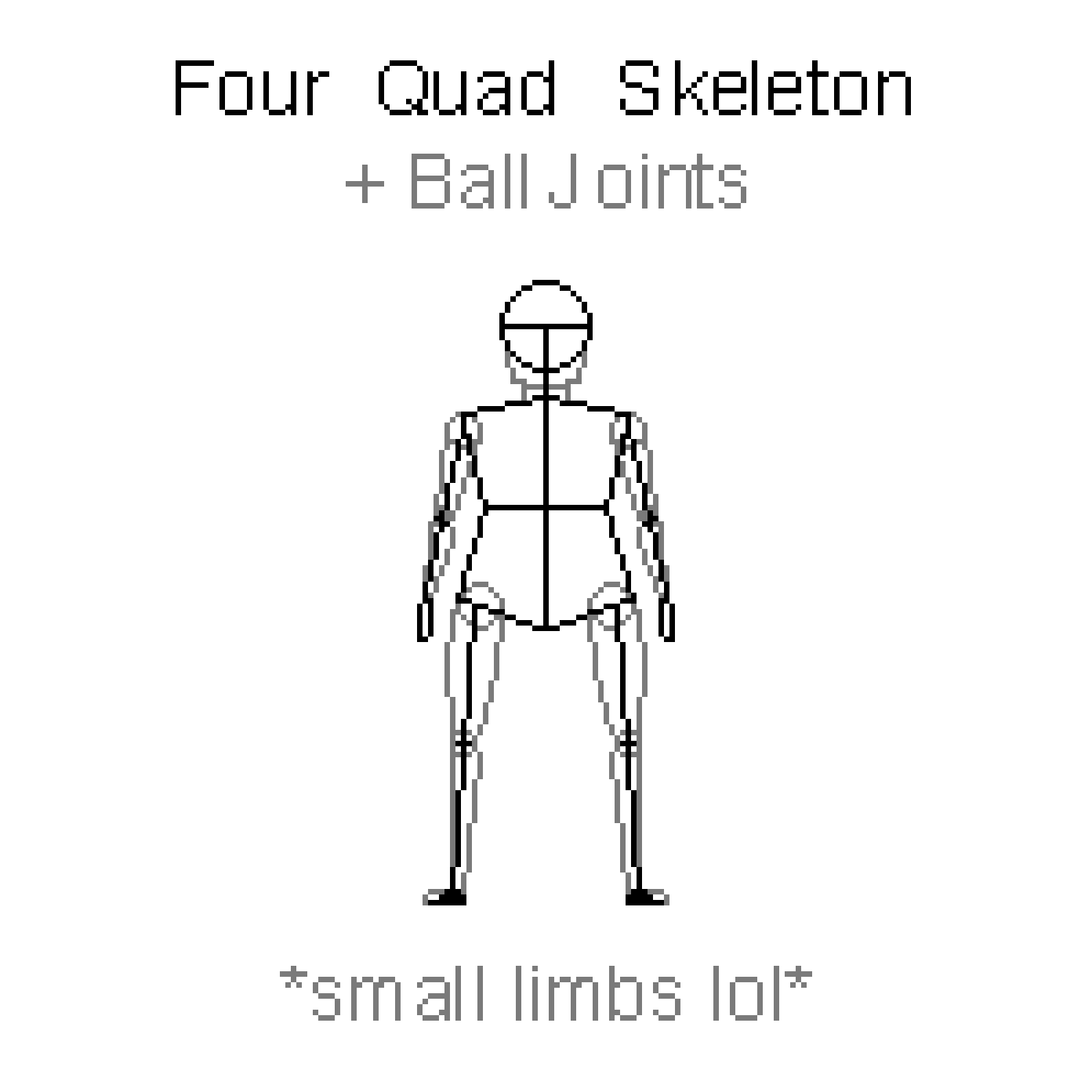
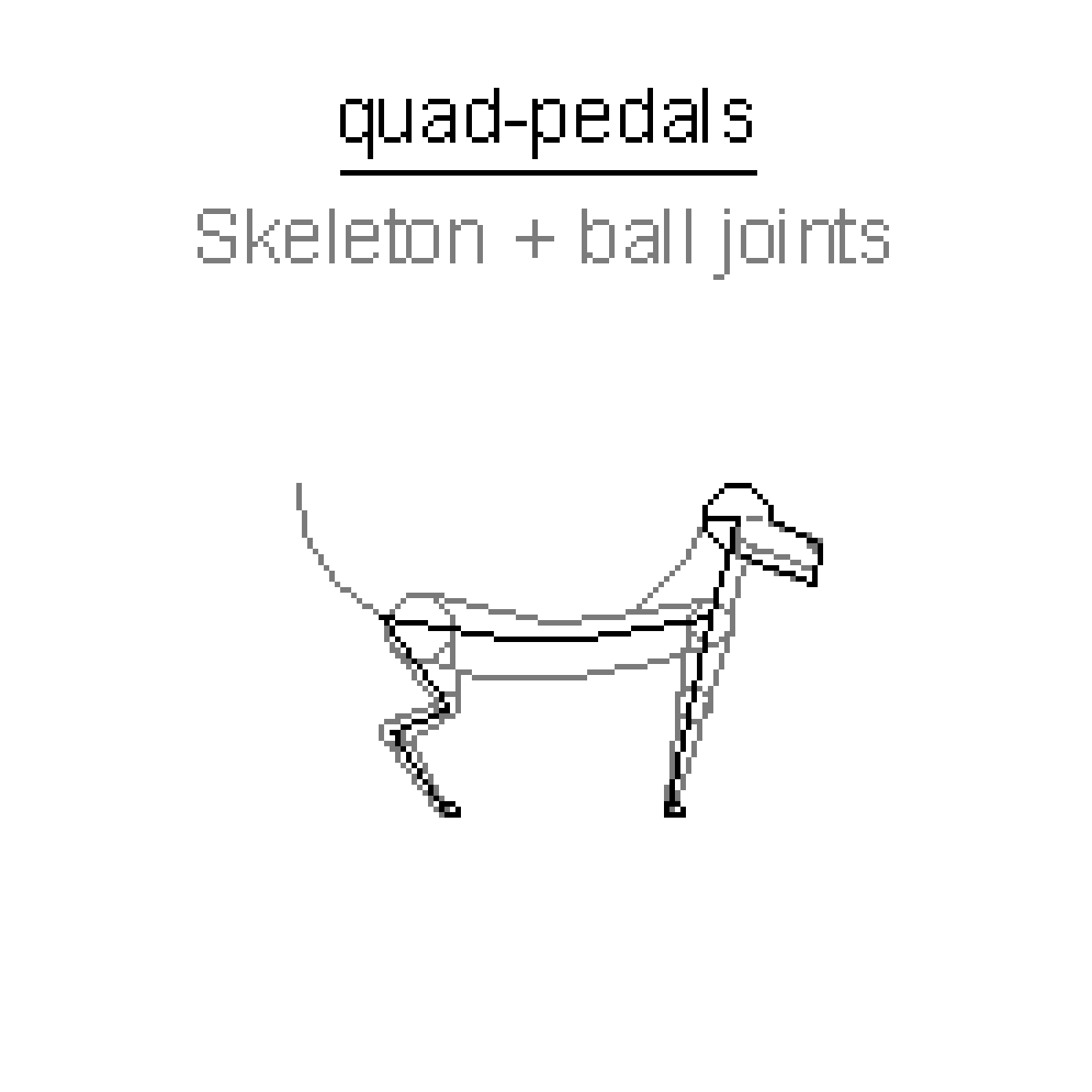
1. Simplified skeleton(always first)
2. Muscle/organs/actual skeleton
In classic construction the initial skeletons are still simple.
In classic construction it is very important to understand how the mass is connected to the skeleton.
Scaffolding exercises are the most important part of learning construction.
The bigger shape/gesture/skeleton of any object must first be drawn, then the smaller gestures/shapes.
I like to mix using shapes and skeletons, I don't just use one, which ever is most useful in the context.
Don't try to find the perfect method, use the method for the context.
* Sharpen and convex edges with color pencils, I really don't like round corners/edges
* Remember construction sketching is a SKETCH, let the guidelines stay for now! don't remove them!
* Keep in mind which side is currently dominant when drawing an object and focus on that.
* I prefer polygons to round shapes, easier to understand/orient oneself to.
* Skeleton
* Silhuette
* Polygon
* !!!!!!!Rounded polygonism!!!!!!(often easier to understand, especially for heads at odd angles, I mostly make everything out of rounded boxes)
* coiling
* !!Ball Joints!!
Inspo: Sycra
Tracing/reference
Tracing/referencing means you follow an underlying reference photo to copy the object precisely.
I like to measure the lengths on reference photos.
Can't draw an object without measuring it lol.
Not sure why that isn't said more.
I mostly write real measures, not proportions.
even fictional characters/objects I give a real measure.